
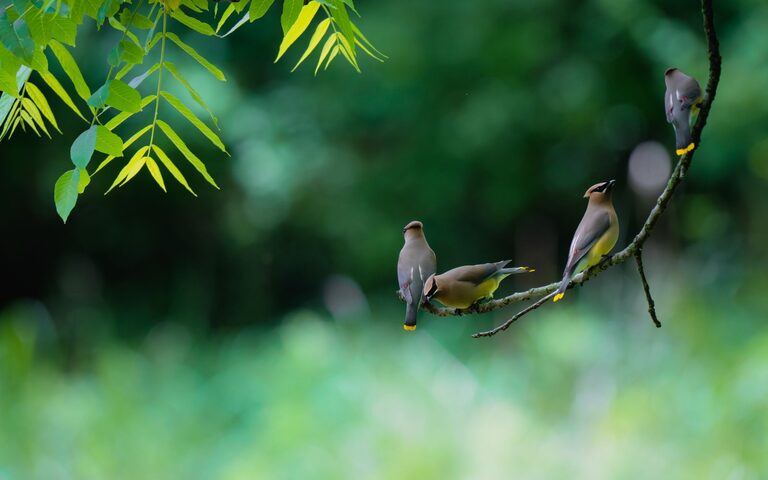
Birdwatching is a rewarding hobby that connects you with nature and brings peaceful moments to your day—all from the comfort of your own backyard. Whether you live in a bustling city or a quiet suburb, you can attract a variety of birds and start observing their behaviors with a few simple steps.
In this post, we’ll share beginner tips to help you get started with backyard birdwatching. From creating a welcoming environment to identifying common species, these ideas will set you on the right path to enjoying the vibrant world of birds.
Why Backyard Birdwatching?
Before diving into the tips, it’s worth noting why birdwatching in your backyard is such a wonderful pastime:
– Convenience: You don’t need to travel far; your own yard is the perfect spot.
– Stress Relief: Watching birds is calming and helps reduce stress.
– Learning Opportunity: Observing birds can teach you about local wildlife and ecosystems.
– Family Activity: Birdwatching can be enjoyed by all ages, making it a great family hobby.
With these benefits in mind, let’s explore how to attract and observe birds successfully.
Setting Up Your Backyard for Birdwatching
1. Provide Food Sources
One of the best ways to attract birds is by offering food. Different birds prefer different types of food, so consider adding a variety:
– Seed Mixes: A general birdseed mix with sunflower seeds is popular with many species.
– Suet: Great for woodpeckers, nuthatches, and chickadees, especially in colder months.
– Fruit: Offer sliced apples, oranges, or berries for species that enjoy fruit.
– Nectar: Hummingbirds love nectar feeders filled with simple sugar water (four parts water to one part sugar).
Place feeders at different heights and locations to attract diverse birds.
2. Provide Water
Birds need water for drinking and bathing. A shallow birdbath or small water feature will attract more visitors. To keep water clean and safe:
– Change the water every few days.
– Clean the birdbath regularly.
– Add stones or pebbles for birds to perch on safely.
3. Create Shelter and Nesting Spots
Birds seek shelter in trees, shrubs, and brush piles. Incorporate native plants, bushes, or small trees to provide natural hiding places and nesting opportunities. You can also install birdhouses to encourage cavity-nesting birds like bluebirds or chickadees.
4. Choose Native Plants
Native plants are especially attractive to local birds because they provide natural food sources and habitat. Examples include:
– Berry-producing shrubs like elderberry or dogwood.
– Flowering plants that attract insects (an important food source).
– Trees like oaks and maples that support caterpillars and other insects.
Essential Birdwatching Gear for Beginners
You don’t need fancy equipment to start, but a few basic tools will enhance your experience.
1. Binoculars
A good pair of binoculars helps you see birds clearly without disturbing them. Look for binoculars in the 7x to 10x magnification range, which balances clarity and ease of use.
2. Field Guide or Bird Identification App
A field guide with pictures and descriptions helps you identify bird species you see. Alternatively, smartphone apps like Merlin Bird ID can provide quick assistance and even use photos for identification.
3. Notebook or Journal
Recording your observations can be fun and educational. Write down species, behaviors, and dates to track your backyard birds over time.
Tips for Observing Birds
1. Be Patient and Quiet
Birds can be skittish around noise and sudden movements. Sit quietly and observe without rushing. This patience often rewards you with longer, more natural bird behaviors.
2. Watch at Different Times
Bird activity varies throughout the day. Early mornings and late afternoons are often the best times to see birds feeding and interacting.
3. Learn Bird Calls
Listening to bird songs and calls helps with identification and understanding behaviors. Many apps and websites offer free audio recordings to learn from.
4. Avoid Disturbance
Keep pets indoors or supervised during birdwatching sessions to prevent scaring the birds. Also, avoid moving feeders or birdhouses too frequently.
Common Backyard Birds You Might See
Depending on your region, you may spot several common species such as:
– Northern Cardinal: Bright red male with a distinctive crest.
– American Robin: Known for its orange breast and melodic song.
– Blue Jay: Bold blue feathers and loud calls.
– Chickadee: Small with black cap and cheek patches.
– House Finch: Red on the head and chest, common in urban areas.
– Mourning Dove: Soft gray with a gentle cooing.
Try to focus on learning a few species at a time. Note the color, size, behavior, and sounds to help with identification.
Additional Ways to Enhance Your Birdwatching Experience
– Join Local Birding Groups: Many communities have clubs or events where you can learn and share experiences.
– Use a Bird Feeder Camera: Cameras designed near feeders let you capture close-up bird photos.
– Keep Your Yard Chemical-Free: Avoid pesticides that can harm birds or reduce their insect food sources.
– Celebrate Bird-Friendly Days: Participate in events like the Great Backyard Bird Count to contribute to citizen science.
Final Thoughts
Backyard birdwatching is a simple, enjoyable way to connect with nature daily. With a few basic supplies and some patience, you can create a welcoming space for birds and enjoy watching their fascinating behaviors. Remember to respect wildlife, keep feeders clean, and enjoy the peaceful moments that come with observing these beautiful creatures.
Happy birdwatching!