
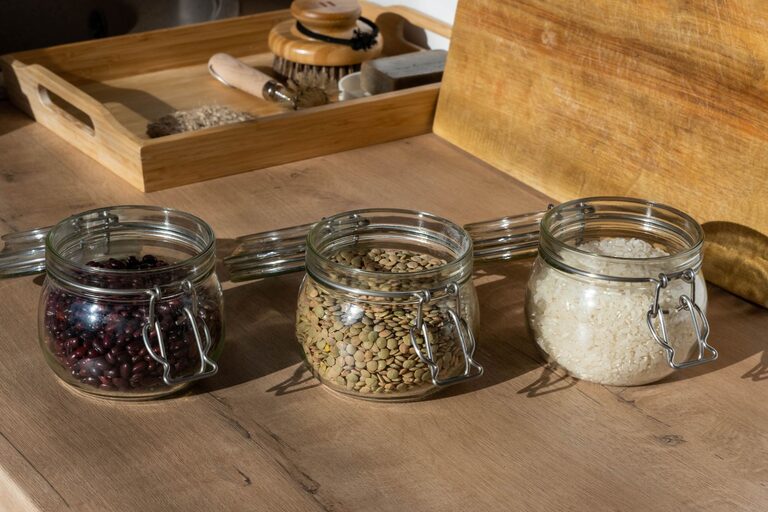
Planning meals from pantry staples is a fantastic way to save time, reduce food waste, and create tasty dishes without frequent grocery trips. Your pantry likely holds a variety of ingredients that, when combined creatively, can serve as the foundation for many meals. In this guide, we’ll explore practical steps to help you plan meals using what you already have on hand.
Why Use Pantry Staples for Meal Planning?
Pantry staples include items such as canned goods, dried grains, spices, and other non-perishable foods that last a long time. Using these ingredients for your meals has several benefits:
– Cost-effective: Reduces the need for last-minute grocery purchases.
– Convenient: Meals can be prepared quickly when essentials are always stocked.
– Minimizes waste: Helps use ingredients before they expire.
– Encourages creativity: Inspires trying new recipes with familiar ingredients.
Step 1: Take Stock of Your Pantry
Start by organizing and inventorying your pantry. Knowing exactly what you have will make meal planning much easier.
– Categorize items: Group canned goods, grains, spices, baking staples, and snacks.
– Check expiration dates: Remove expired or spoiled items.
– Note versatile ingredients: Identify items like beans, rice, pasta, and canned tomatoes that can be used in multiple dishes.
Keeping a written or digital list of your pantry inventory can save time during meal planning.
Step 2: Identify Your Meal Goals
Before you plan, think about what kind of meals you want to prepare.
– Are you aiming for quick weeknight dinners?
– Do you need family-friendly recipes?
– Are you focusing on vegetarian or low-carb meals?
Knowing your goals helps you select pantry staples and recipes that fit your lifestyle.
Step 3: Choose Base Ingredients From Pantry Staples
Many dishes rely on a few key pantry ingredients as a base. Here are some common staples and the types of meals they suit:
– Rice and grains: Use in stir-fries, grain bowls, or pilafs.
– Pasta: Ideal for quick pasta dishes or casseroles.
– Canned beans: Great for stews, salads, and dips.
– Canned tomatoes: Perfect for sauces, soups, and chili.
– Broths: Use as a base for soups and cooking grains.
Pair these with fresh or frozen vegetables and proteins for balanced meals.
Step 4: Plan Meals Around Pantry Ingredients
With your inventory handy, start mapping out meals for the week. Here are some tips:
– Mix and match staples: For example, combine canned chickpeas with rice and spices for an easy curry.
– Use recipes as a guide: Look for simple recipes that highlight pantry ingredients.
– Batch cook: Prepare larger portions to have leftovers for busy days.
– Keep meals flexible: Swap out ingredients based on availability.
Sample Meal Ideas Using Pantry Staples
– Chickpea and spinach curry: Canned chickpeas, canned tomatoes, spices, and frozen spinach over rice.
– Pasta with tomato sauce: Pasta, canned tomato sauce or diced tomatoes, garlic, and dried herbs.
– Black bean chili: Canned black beans, canned corn, canned tomatoes, chili powder.
– Rice and lentil pilaf: Rice, lentils, broth, onions, and spices.
– Tuna salad: Canned tuna, canned beans, olive oil, lemon juice, and seasonings.
Step 5: Complement Pantry Staples With Fresh or Frozen Ingredients
While pantry staples form the core, fresh or frozen produce can enhance flavor and nutrition.
– Keep a stock of onions, garlic, and potatoes as long-lasting fresh items.
– Frozen vegetables are convenient and reduce spoilage.
– Fresh herbs and citrus can brighten meals when available.
Step 6: Build a Basic Pantry for Future Planning
To make planning easier over time, maintain a well-stocked pantry with essentials such as:
– Various dried beans and lentils
– Different types of pasta and rice
– Canned tomatoes and tomato paste
– Broth or bouillon cubes
– Cooking oils and vinegar
– Basic spices (salt, pepper, cumin, chili powder, oregano)
– Flour, sugar, and baking powder
Additional Tips for Success
– Label your pantry: Use clear containers or labels for easy identification.
– Rotate stock: Use older items first to avoid waste.
– Keep recipe notes: Record successful meals using pantry staples.
– Stay flexible: Adjust plans based on what’s fresh or on sale.
Conclusion
Planning meals from pantry staples is a practical, budget-friendly approach to everyday cooking. By organizing your pantry, setting clear goals, and using versatile ingredients creatively, you can enjoy a variety of delicious meals with less stress. With time and practice, pantry-based meal planning can become a simple and rewarding part of your cooking routine.