
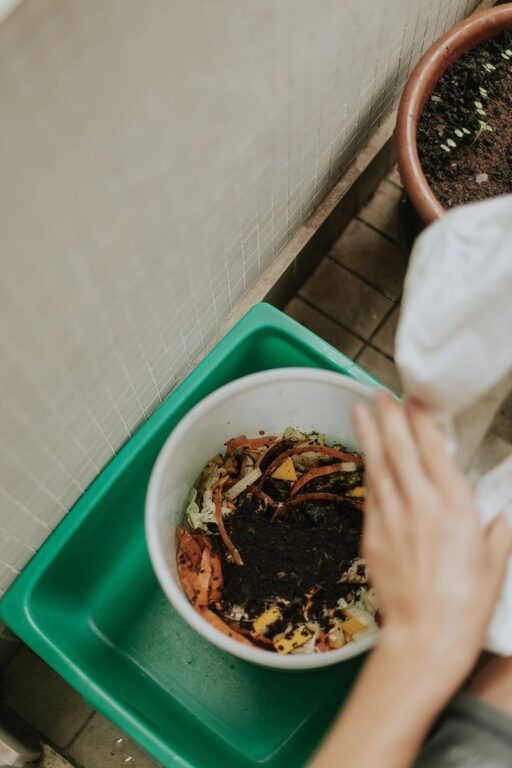
Composting at home is a rewarding practice that transforms everyday kitchen and garden waste into nutrient-rich soil. Not only does it reduce the amount of trash sent to landfills, but it also helps create healthy soil that can improve your plants’ growth. If you’re new to composting, the process may seem a little confusing at first. This guide will walk you through beginner-friendly tips to help you get started with composting at home.
What is Composting?
Composting is the natural process of recycling organic materials, such as food scraps and garden waste, into a dark, crumbly substance called compost. This compost can be used as a fertilizer that improves soil structure, feeds plants, and retains moisture.
Benefits of Composting at Home
– Reduces household waste
– Enriches garden soil with nutrients
– Encourages healthy plant growth
– Saves money on fertilizers
– Helps reduce greenhouse gases from landfills
Getting Started: Choose the Right Composting Method
There are several ways to compost at home. The best method depends on your available space, time, and preferences.
1. Compost Bin
A compost bin is a container designed to hold your compost materials and keep them in one place. Bins come in different sizes and styles, including:
– Plastic bins with ventilation holes
– Tumbler composters that can be rotated for easy mixing
– DIY bins made from wood pallets or wire mesh
Bins are ideal for small gardens or patios as they keep the compost contained and neat.
2. Compost Pile
If you have a larger outdoor space, you might opt for a compost pile simply placed directly on the ground. This method requires less equipment but may take more space and can attract pests if not managed properly.
3. Worm Composting (Vermicomposting)
This method uses special composting worms (red wigglers) to break down food scraps quickly. Worm bins are compact and suitable for indoor use, making vermicomposting a great choice for apartment dwellers.
What Can You Compost?
Knowing what materials to add is key to successful composting. Materials are generally classified into “greens” and “browns.”
Greens (Nitrogen-rich)
– Fruit and vegetable scraps
– Coffee grounds and filters
– Tea bags (without synthetic materials)
– Fresh grass clippings
– Plant trimmings
Browns (Carbon-rich)
– Dry leaves
– Straw or hay
– Shredded newspaper or cardboard (avoid glossy paper)
– Wood chips or sawdust (untreated wood)
– Eggshells (crushed)
Avoid Composting
– Meat, dairy, and oily foods (can attract pests)
– Diseased plants
– Pet waste
– Synthetic materials like plastics
Beginner Tips for Successful Composting
1. Balance Greens and Browns
Composting works best with a balance of green (wet, nitrogen-rich) and brown (dry, carbon-rich) materials. A good rule of thumb is to aim for about 2-3 parts brown to 1 part green. This mix helps avoid odors and speeds up decomposition.
2. Chop or Shred Materials
Smaller pieces break down faster. Before adding to your compost, chop vegetable scraps and shred leaves or cardboard to help speed the composting process.
3. Keep Your Compost Moist
Compost should be as damp as a wrung-out sponge. If it’s too dry, decomposition slows down; if too wet, it can become smelly. If the pile is dry, add water occasionally; if too wet, add more browns to absorb excess moisture.
4. Turn Your Compost Regularly
Mixing or turning your compost every few weeks introduces oxygen, which helps microorganisms break down materials faster. Use a garden fork or compost aerator tool for this task.
5. Monitor Temperature
A hot compost pile decomposes materials more quickly. You can use a compost thermometer to check if your pile is heating up. If the pile is cold, adding more green materials and turning it can help raise the temperature.
6. Be Patient
Composting takes time, usually several months to a year, depending on factors like temperature, moisture, and materials. Finished compost looks dark, crumbly, and smells earthy.
How to Use Finished Compost
Once your compost is ready, use it in your garden by:
– Mixing it into planting beds to improve soil structure
– Adding it around trees and shrubs as mulch
– Mixing it into potting soil for indoor plants
– Top-dressing lawns to promote healthy grass growth
Troubleshooting Common Composting Issues
– Bad odor: Too much green material or too wet; add more browns and turn the pile.
– Pile not heating up: Add more green materials and turn the pile to increase oxygen.
– Attracting pests: Avoid meat, dairy, and oily foods; cover food scraps with browns.
– Piles too dry: Add water and green materials to increase moisture.
Final Thoughts
Starting a compost pile at home is a simple step toward reducing waste and creating nutrient-rich soil for your plants. By following these beginner tips and staying consistent, you’ll enjoy the rewards of healthier plants and a smaller environmental footprint.
Happy composting!