
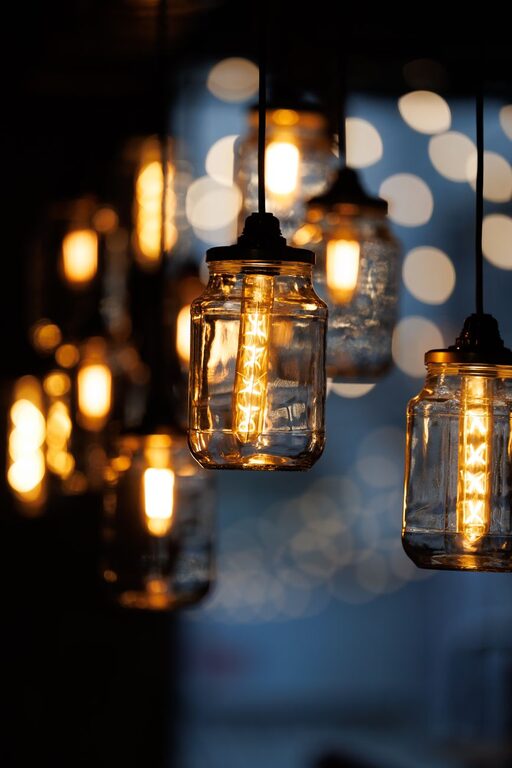
Creating a comfortable atmosphere in your home starts with the right lighting. Whether you’re reading a book, working on a project, or relaxing with family, good lighting enhances comfort and usability. Choosing the perfect home lighting can feel overwhelming with so many options available, but understanding a few key principles can make the process easier and more enjoyable. This guide provides practical tips to help you select lighting that’s both comfortable and functional.
Why Comfortable Lighting Matters
Comfortable lighting directly affects how you feel in your space. Poor lighting can cause eye strain, headaches, or leave rooms feeling cold and unwelcoming. On the other hand, well-chosen lighting can improve your mood, increase productivity, and create a cozy atmosphere.
Understand Lighting Basics
Types of Lighting
Before making any decisions, it’s helpful to understand the three main types of lighting:
– Ambient Lighting: This is the general, overall light in a room. It ensures visibility and sets the base brightness.
– Task Lighting: Directed at specific areas where activities like reading or cooking take place. Examples include desk lamps and under-cabinet kitchen lights.
– Accent Lighting: Used to highlight artwork, architectural features, or decorative elements, adding depth and dimension.
A comfortable home lighting plan combines all three types for balance.
Consider the Color Temperature
Lighting color temperature is measured in Kelvins (K) and influences the warmth or coolness of your light.
– Warm light (2700K–3000K): Soft and cozy, ideal for living rooms and bedrooms.
– Neutral light (3500K–4100K): Balanced and natural, suitable for kitchens and bathrooms.
– Cool light (5000K–6500K): Bright and energizing, good for workspaces or garages.
For comfort, aim for warmer tones in relaxing areas and slightly cooler tones where you need focus.
Choose the Right Brightness
Brightness is measured in lumens. Higher lumens mean brighter light. Here’s a simple guideline:
– Living room: 1,500–3,000 lumens
– Kitchen: 4,000–8,000 lumens (due to task needs)
– Bedroom: 1,000–2,000 lumens
– Bathroom: 4,000–8,000 lumens
Use dimmable lights to adjust brightness according to time of day or activity, enhancing comfort.
Select Appropriate Fixtures
The style and placement of light fixtures also affect comfort.
– Lampshades: Diffuse light gently and reduce glare.
– Recessed lighting: Offers subtle, even illumination.
– Pendant lights: Provide focused light for dining or work areas.
– Wall sconces: Add atmospheric lighting without overwhelming a space.
Avoid lighting that shines directly into your eyes or creates harsh shadows.
Use Natural Light to Your Advantage
Maximizing natural light during the day can boost comfort and energy savings.
– Position seating near windows.
– Use sheer curtains to soften sunlight.
– Consider skylights or solar tubes for darker rooms.
Balancing natural and artificial light keeps your home bright and inviting.
Avoid Glare and Flicker
Glare occurs when a light source is too bright or poorly positioned, causing discomfort. To reduce glare:
– Use lampshades or diffusers.
– Place lights so they don’t point directly at your eyes.
– Choose bulbs with a consistent, flicker-free output.
Flickering lights can strain your eyes and cause headaches, so consider LED bulbs from reputable brands.
Think About Energy Efficiency
Comfortable lighting doesn’t mean high energy bills. LED bulbs offer great energy savings and longer lifespan compared to incandescent or halogen bulbs. Look for bulbs with the ENERGY STAR label to help reduce consumption while maintaining quality light.
Experiment and Customize
Your lighting needs may change over time or depending on the use of each space. Don’t hesitate to experiment with different bulbs, fixtures, or layouts. Smart lighting systems allow customized settings for brightness and color temperature, controlled from your phone or a remote.
Summary Checklist for Comfortable Home Lighting
– Combine ambient, task, and accent lighting.
– Choose color temperatures suited to each room’s function.
– Select brightness levels that avoid eye strain.
– Use diffusers, lampshades, and proper fixture placement to reduce glare.
– Incorporate natural light where possible.
– Opt for energy-efficient bulbs like LEDs.
– Consider dimmable and smart lighting options for flexibility.
– Test and adjust lighting settings to suit your comfort.
Final Thoughts
Comfortable home lighting enriches your daily life by creating a warm and inviting atmosphere tailored to your activities. By understanding the basics and thoughtfully choosing your lighting elements, you can transform your home into a space that feels just right – bright enough to see clearly, soft enough to relax, and beautiful in every corner. Start experimenting today and enjoy the difference well-planned lighting makes!