
Reducing food waste at home is not only beneficial for your wallet but also helps to protect the environment. Globally, a significant amount of food is discarded daily, contributing to unnecessary waste of resources and increased greenhouse gas emissions. Fortunately, there are many easy and effective steps you can take to cut down food waste right in your kitchen. Here’s a detailed guide to help you waste less and make the most out of your groceries.
Understanding Food Waste
Before diving into solutions, it’s helpful to understand what food waste is. Food waste refers to edible food that is thrown away or left to spoil. This can happen at any stage from shopping and storage to cooking and eating. Common reasons include over-purchasing, improper storage, cooking too much, or confusion around expiration dates.
By being mindful and making small adjustments, you can significantly reduce the amount of food that ends up in the trash.
Plan Your Meals and Shopping Trips
Create a Weekly Meal Plan
Planning your meals ahead of time helps avoid buying items you don’t need. Decide what you’ll cook for the week and make a precise shopping list based on those meals. This way, you only purchase what’s necessary.
Shop with a List
Always bring your shopping list and stick to it. Avoid impulse buys by being clear about what you need, and check your pantry and fridge before shopping to prevent duplicates.
Buy Only What You Can Use
If you often find yourself throwing away perishable items, try buying smaller quantities or selecting loose produce instead of pre-packaged amounts.
Store Food Properly
Use Clear Containers
Store leftovers and opened products in transparent containers so you can easily see what you have. This helps you remember to use items before they spoil.
Understand Proper Storage Techniques
Different foods stay fresh longer with specific storage methods:
– Keep leafy greens in a damp paper towel inside a sealed bag.
– Store bread in a cool, dry place or freeze it to prevent mold.
– Keep apples separate from other fruits to slow ripening.
Label Your Food
Write the date on containers with leftover food or opened packages. This helps you keep track and consume items in a timely manner.
Use Leftovers Creatively
Eating leftovers is a great way to reduce waste. Here are some ideas:
– Turn leftover vegetables into soups, stews, or stir-fries.
– Use stale bread for croutons, breadcrumbs, or bread pudding.
– Incorporate leftover rice or pasta into salads or casseroles.
Practice Portion Control
Cooking or serving large portions can lead to wasted food if people don’t finish their meals. Consider these tips:
– Use smaller plates to help control serving sizes.
– Start with smaller servings and offer seconds if needed.
– Adjust recipes to fit the number of people eating.
Understand Expiration Dates
Many people throw away food based on expiration labels, but these can be misleading.
– “Best By” or “Best Before” indicates quality, not safety.
– “Use By” is the date recommended for best flavor or freshness.
– Always check the food’s appearance, smell, and texture before discarding.
Compost What You Can’t Eat
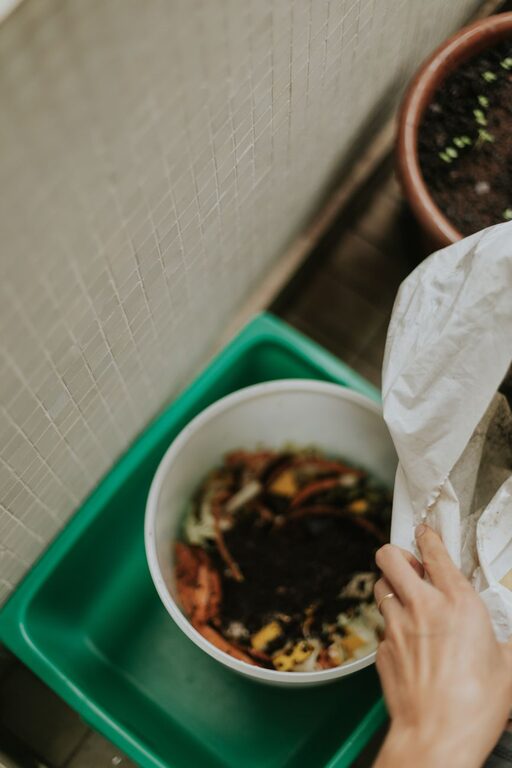
If food does spoil or scraps accumulate, consider composting. Composting organic waste:
– Reduces the volume of garbage you send to landfill.
– Creates nutrient-rich soil for your garden.
– Minimizes methane emissions from decomposing food in landfills.
Many communities have composting programs, or you can start a small compost bin at home.
Donate Surplus Food
If you have unopened or surplus food that won’t be used in time, consider donating to local food banks or shelters. This helps people in need and prevents edible items from going to waste.
Educate Your Household
Reducing food waste is easier when everyone in your home is involved. Share these practices with family members and encourage mindful consumption habits.
– Involve kids in meal planning and cooking to increase their awareness.
– Establish a “leftover day” each week to clear out the fridge.
– Encourage everyone to take only what they can eat.
Summary: Small Changes Lead to Big Savings
Reducing food waste at home doesn’t require major lifestyle changes. By planning meals, storing food correctly, using leftovers creatively, and practicing portion control, you can save money, reduce environmental impact, and enjoy fresher meals. Remember to compost or donate when possible, and involve your household in these efforts. Together, these simple actions make a big difference.
Start today with one or two tips, and build on them as you go. Your kitchen, your budget, and the planet will thank you!